

We were lucky to take some time off work for two weeks to do some travel and camping in lutruwita (Tasmania), visiting some of the remote rugged west coast and beautiful temperate rainforests of the takayna (Tarkine) region for the first week, then changing plans and sheltering in nipaluna (Hobart) for the second week as rainy wild weather closed in.
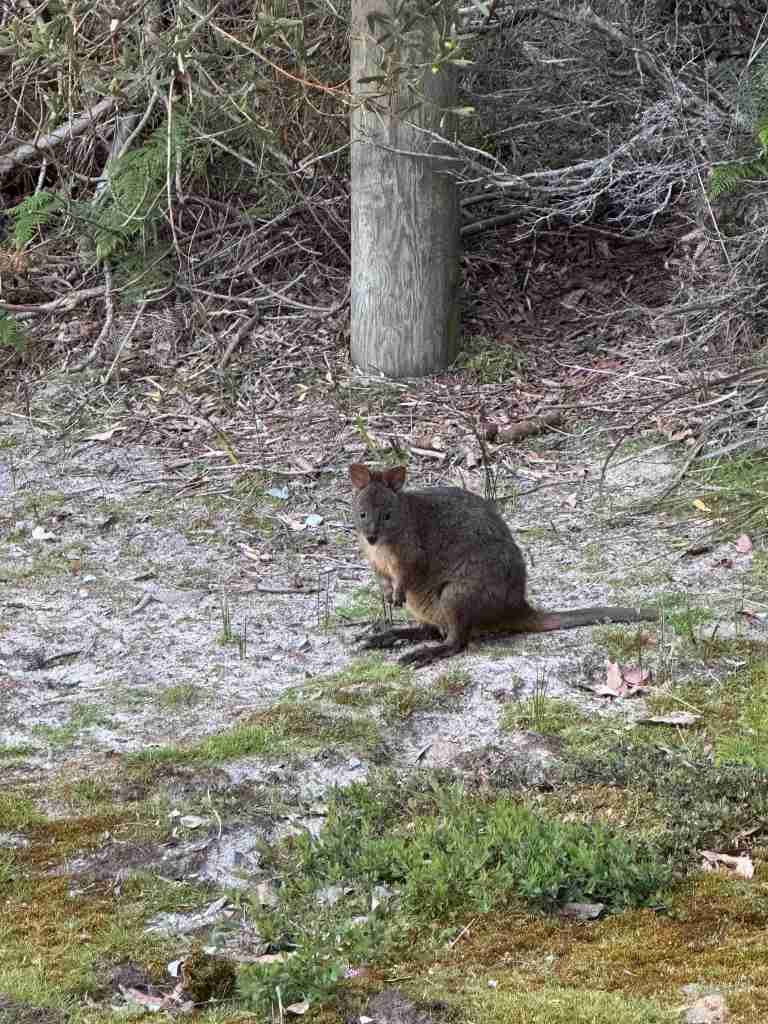
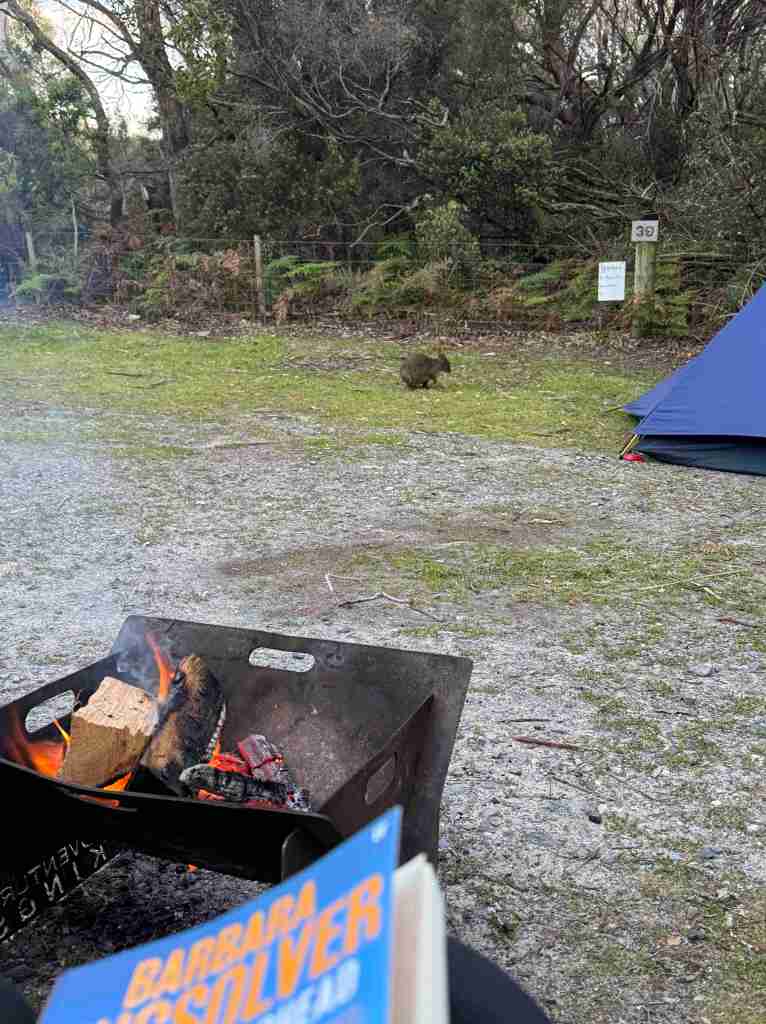

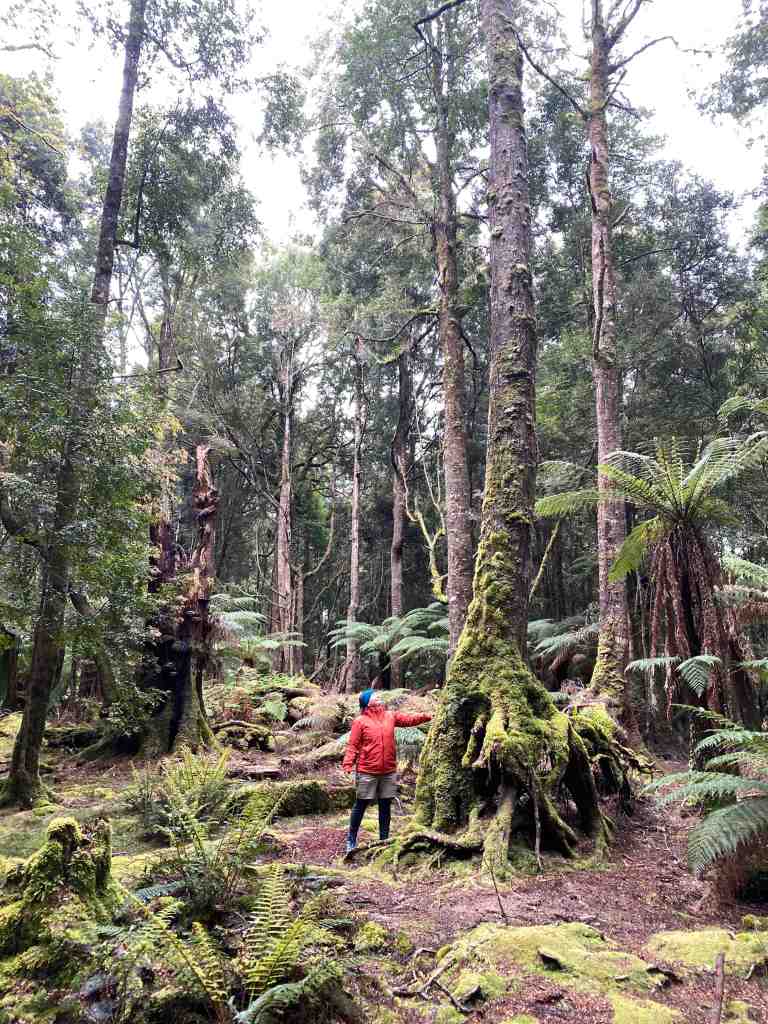
Camping in Manuka campground at Arthur river was so peaceful – we had the place almost to ourselves, with pademelon and blue wrens for company. The beautiful old green rainforests are magical, you can feel your heart-rate slowing and a feeling of calm descend on you as you wander through the cool forest surrounded by giant treeferns and Tasmanian blackwood and laurels, leatherwood, myrtle beech (Northofagus cunninghamii) and many others, everything covered in lichen, moss, fungi and miniature ferns. Even fallen trees provide life for other plants and organisms.
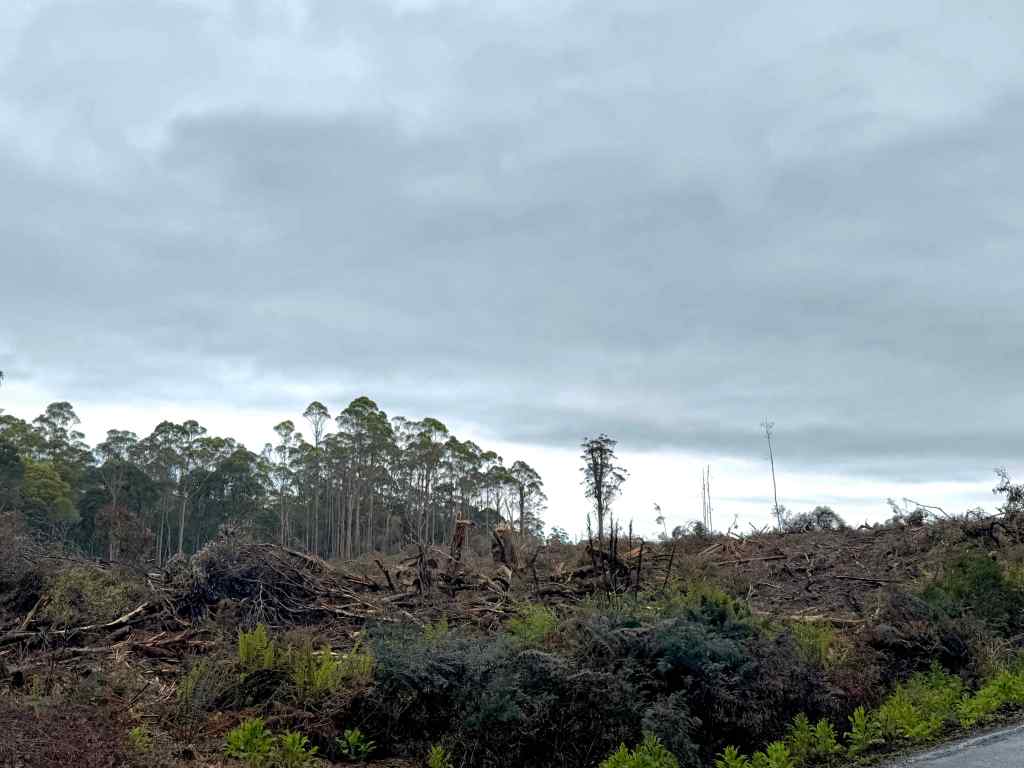
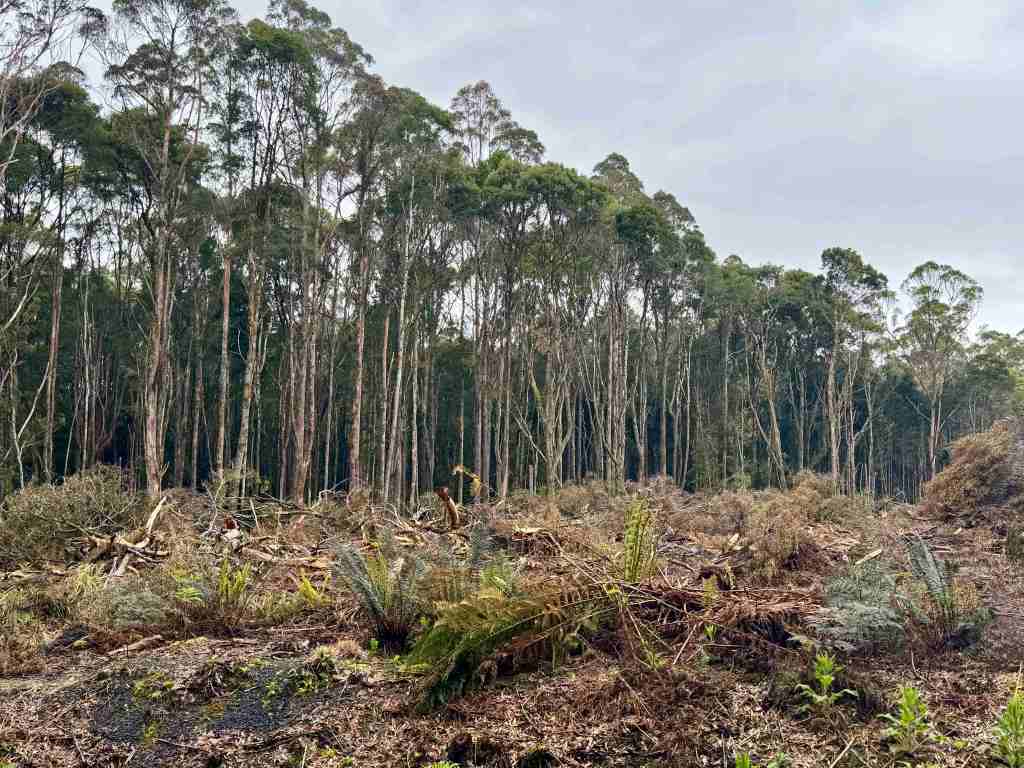
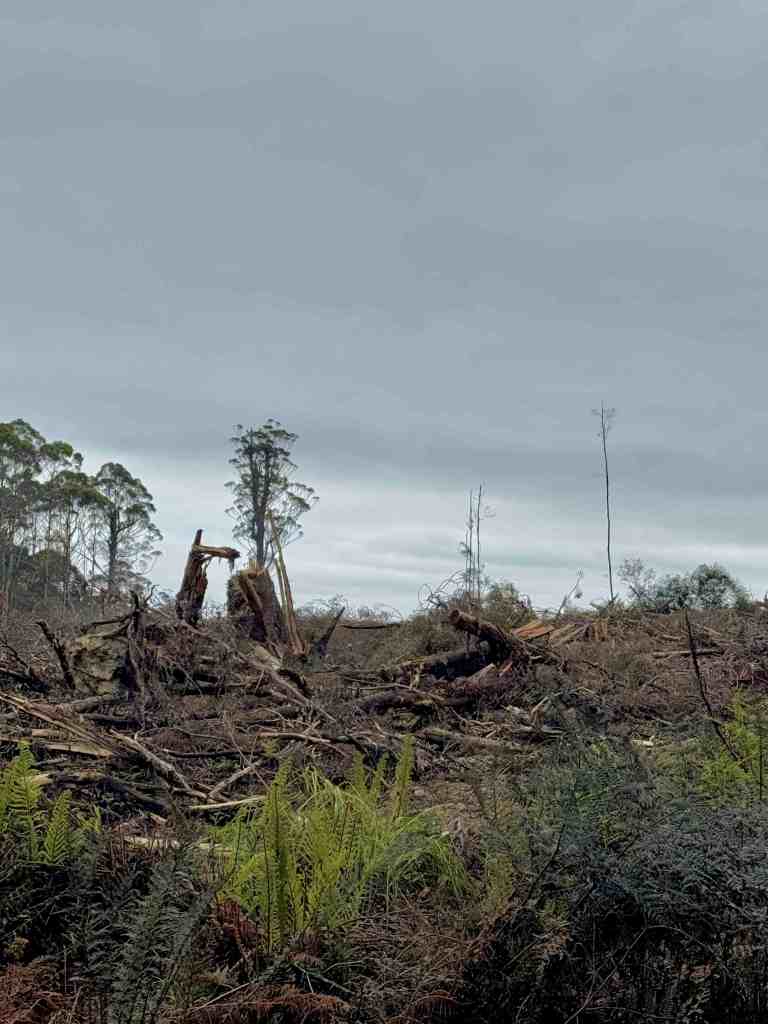
Yet the area is also full of contrast, with trees still being logged, felled fields of destruction that should be crinimal (but unfortunately isn’t), and other areas of old growth forest replaced by ‘sustainable timber’ forests, where everything looks too straight and too much like AI clones than the original biodiverse rainforest that preceded it.
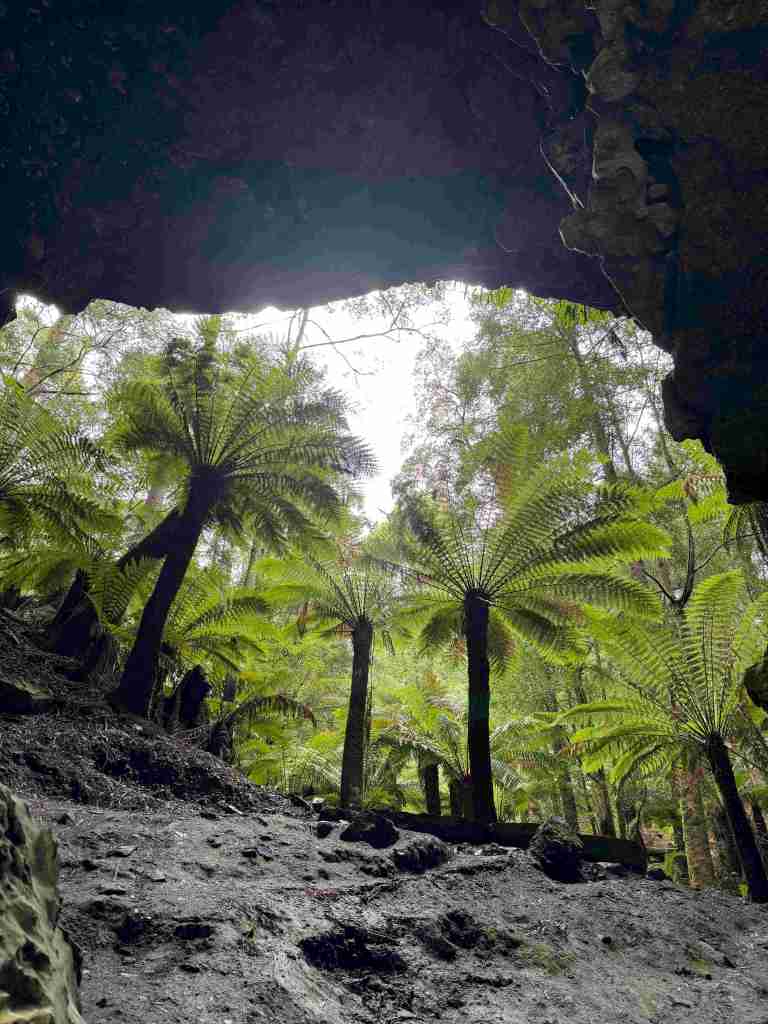
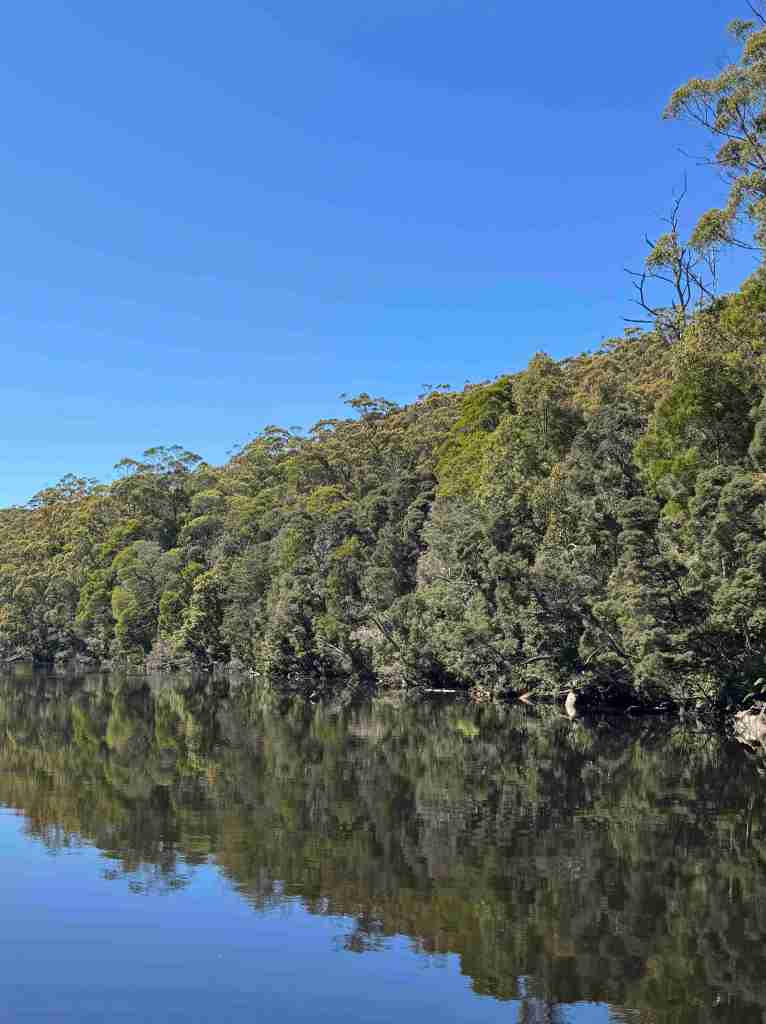
A cruise up Arthur river gave us a different view of the forests, as well as seeing two pairs of sea eagles. On walks in the nearby areas, we saw wombats, native orchids, and the rotting carcasses of whales that had sadly stranded themselves back in February (according to a Parks warning sign).
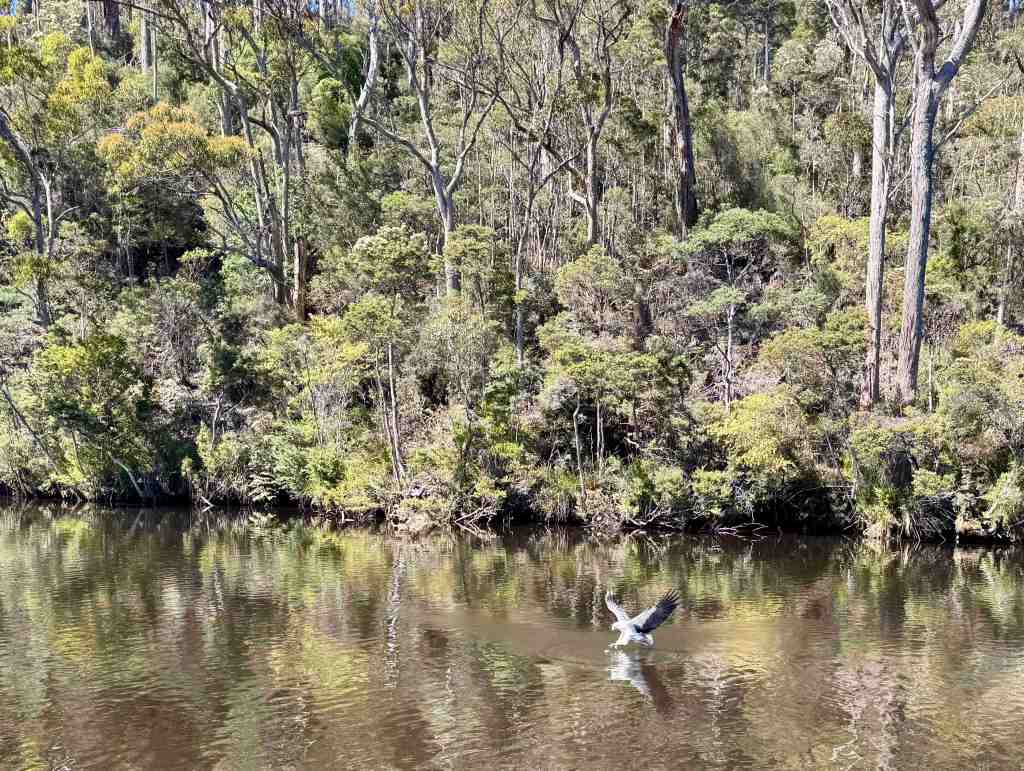
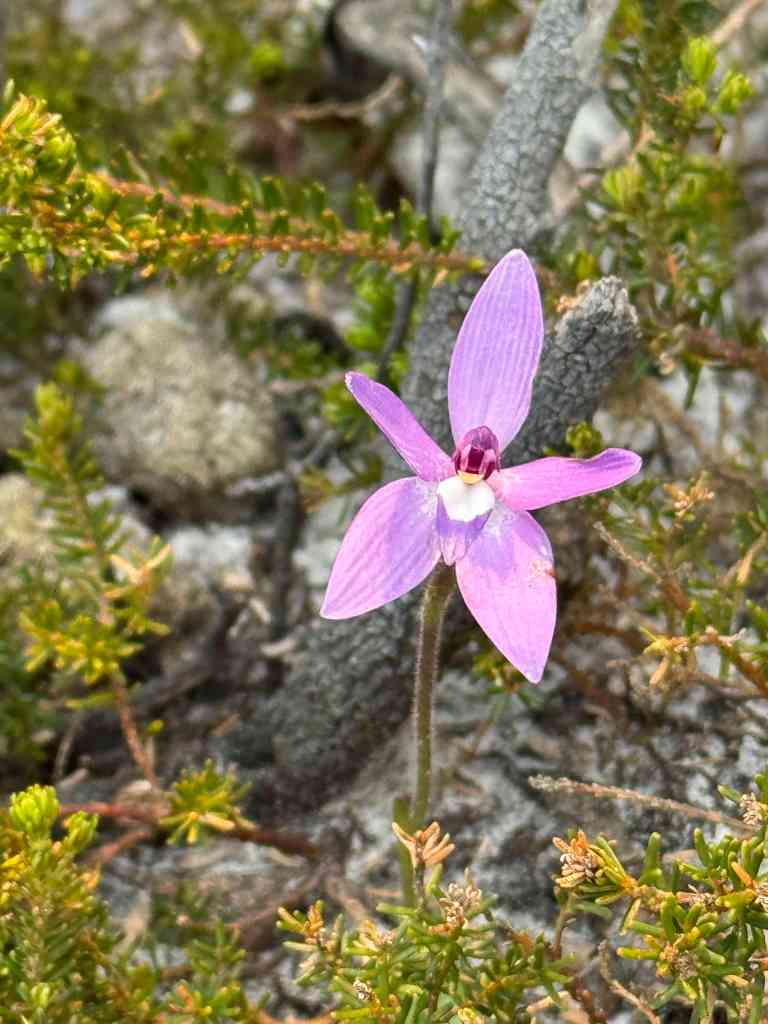
We also went on a half-day Woolnorth tour, owned and run by Laura, a proud Tasmanian Aboriginal descendant with strong ties to the area, to learn a bit about the local history and use of the land over time, including of Kennaook (also known as Cape Grim). Kennaook has been (and still is) a sacred ceremonial site for the local First People for many thousands of years, as well as the site of an horrific massacre of their community by colonial settlers/pastoralists in the 1800s, for which no punishment was ever made. It was a very moving place to visit and reflect on. The same tour also included a visit to the working windfarm on the property which was quite interesting, and the guide tried to dispel many of the myths and nimby talking points that surround the renewable energy infrastructure.
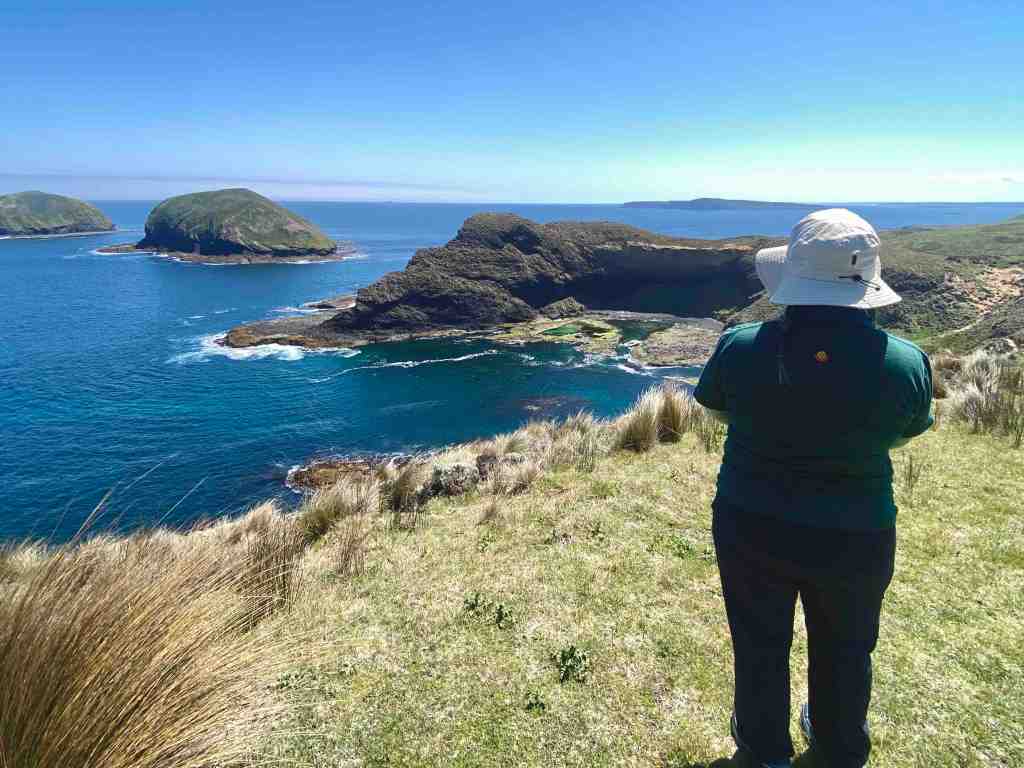
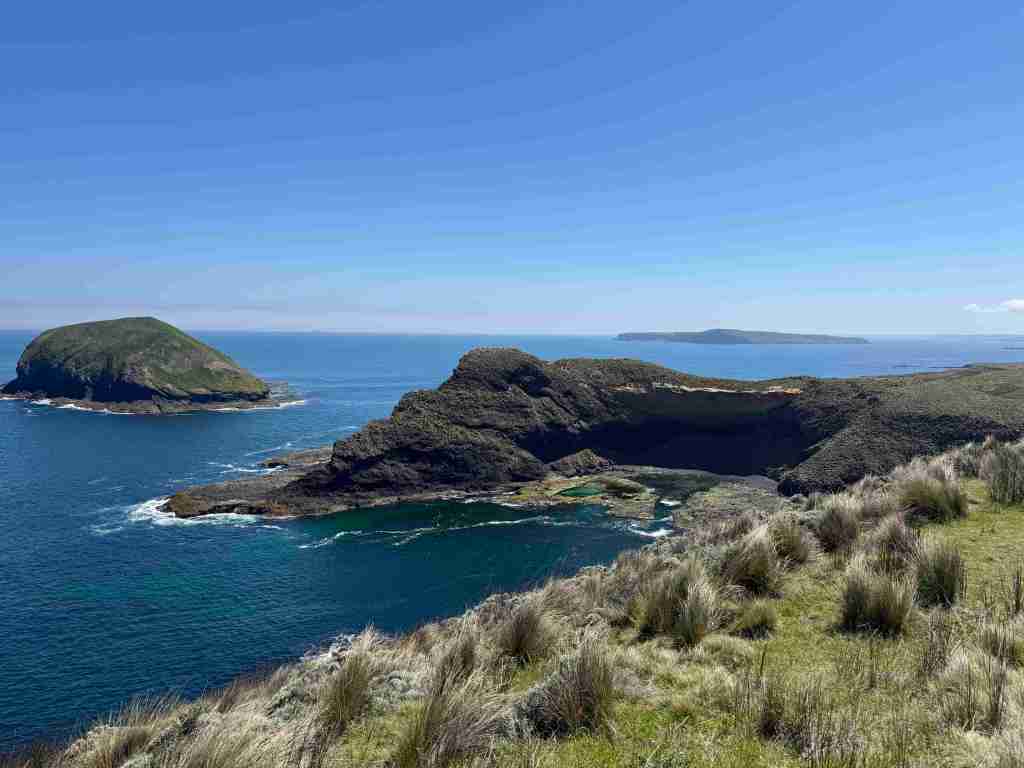
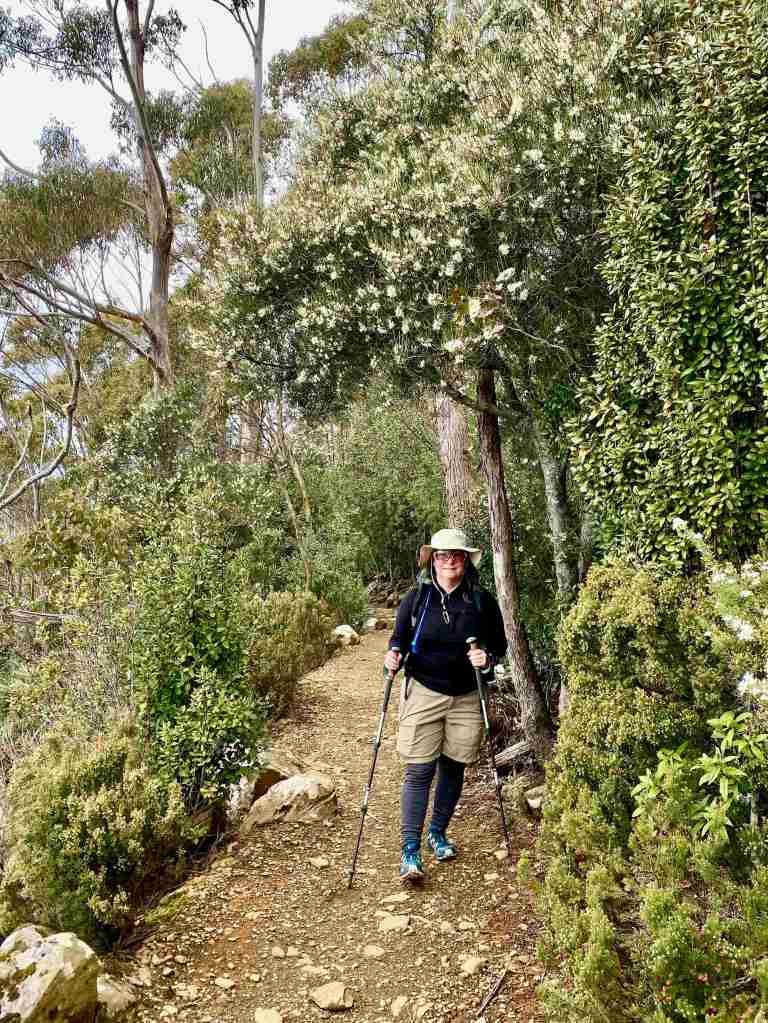
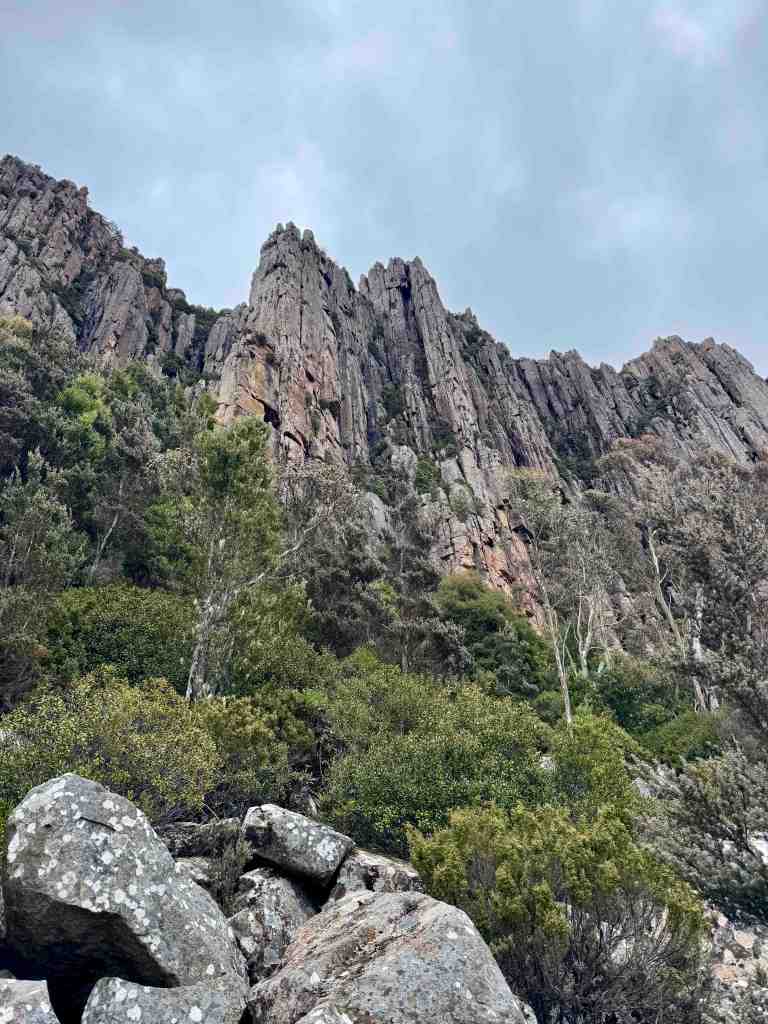
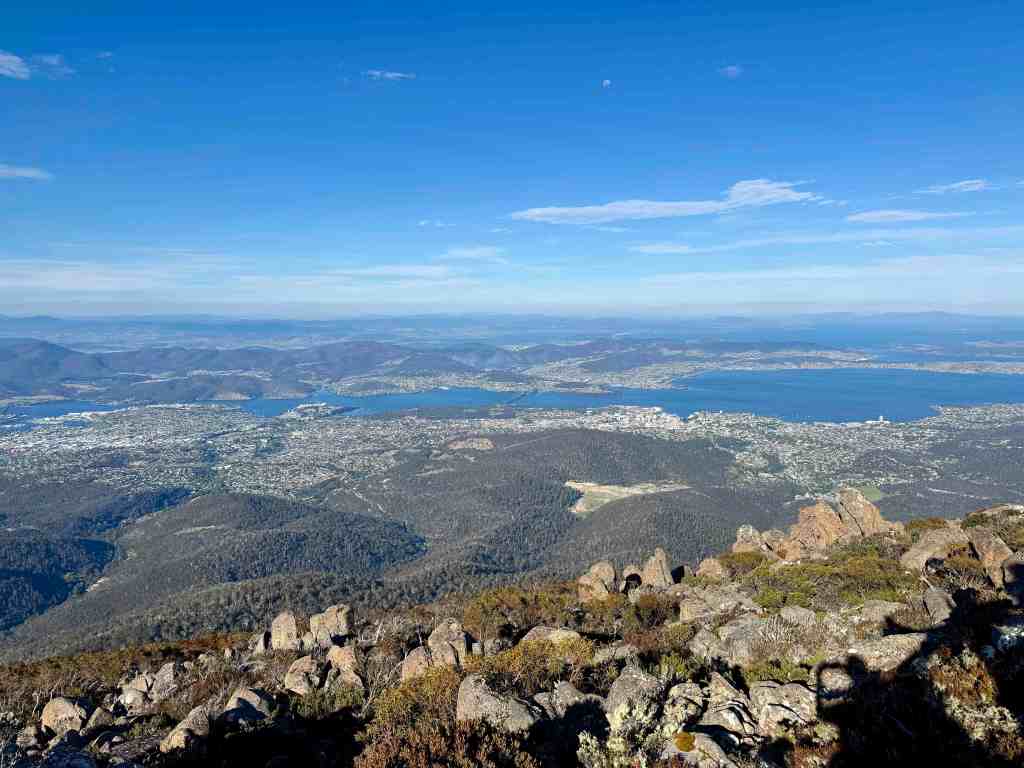
In Hobart we spent time catching up with various friends and enjoying good company and delicious food together. We visited the summit of kunanyi on the first afternoon before the rain came in, and were rewarded with stunning views. As the weather became more rainy with intermittent periods of sun, we visited the Cascades Female Factory historic site – grim but very well presented with the stories of women (and children) who were confined to a very poor life within its walls. The Tasmanian museum of natural history and art was also worth a visit, as was Salamanca markets on Saturdays. When the weather was nicer, we went for a short hike to the organ pipes on kunanyi, and to see the magnificent ‘Octopus tree’, an ancient tree with thick roots encircling huge boulders like octopus tentacles.



 Happy Hobbit Life: Too many tabs open